
Views: 0 Author: HONGHANG Publish Time: 2026-03-19 Origin: Site


The automotive aftermarket industry has grown rapidly over the past decade, especially in regions like North America and Europe where vehicle customization is highly popular. From front lips and rear spoilers to diffusers, mirror covers, and body kits, exterior components play an important role in both styling and aerodynamic performance.
One of the most critical factors that determines product durability, appearance, and cost is the material used in manufacturing automotive exterior parts. Today, the most widely used automotive exterior parts materials include ABS plastic, polypropylene (PP), carbon fiber, fiberglass, and polyurethane (PU). Understanding the characteristics of these materials can help manufacturers, distributors, and buyers choose the most suitable option for different applications.
The most common car exterior parts materials are ABS plastic, polypropylene (PP), carbon fiber, fiberglass, and polyurethane.
Among them, ABS and PP are the most widely used in OEM and aftermarket manufacturing because they offer the best balance of durability, cost efficiency, and large-scale production capability.
ABS is typically used for spoilers, diffusers, mirror covers, and trim parts, while PP is commonly used for bumpers and flexible panels. High-end materials such as carbon fiber are mainly used for performance and racing components.
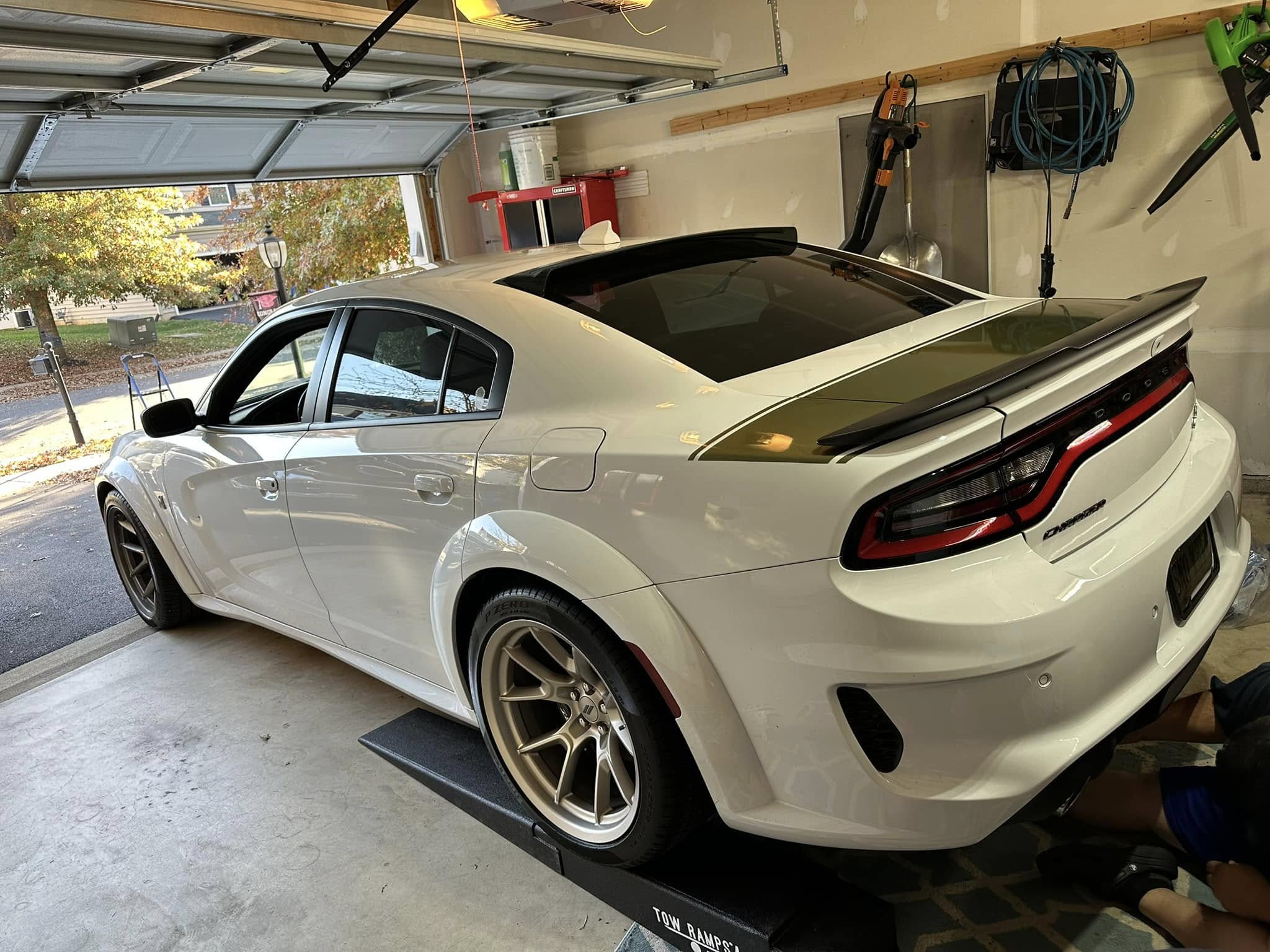
Exterior automotive components are constantly exposed to challenging environments. Unlike interior parts, they must withstand:
UV radiation
Rain and humidity
Temperature fluctuations
Road debris and impacts
High-speed airflow
Because of these conditions, manufacturers must carefully balance several factors such as impact resistance, weight, durability, cost, and manufacturing efficiency. According to research from SAE International, modern vehicle engineering increasingly focuses on lightweight materials to improve efficiency and performance. This shift has accelerated the use of automotive plastic parts and advanced composite materials in both OEM and aftermarket production.
ABS is one of the most popular materials used in automotive plastic parts manufacturing. It combines rigidity with impact resistance, making it ideal for exterior components that must maintain shape while absorbing minor impacts.
Excellent impact resistance
Smooth surface finish
Easy to paint or wrap
High dimensional stability
Cost-effective for mass production
ABS is widely used for manufacturing:
front lips
rear spoilers
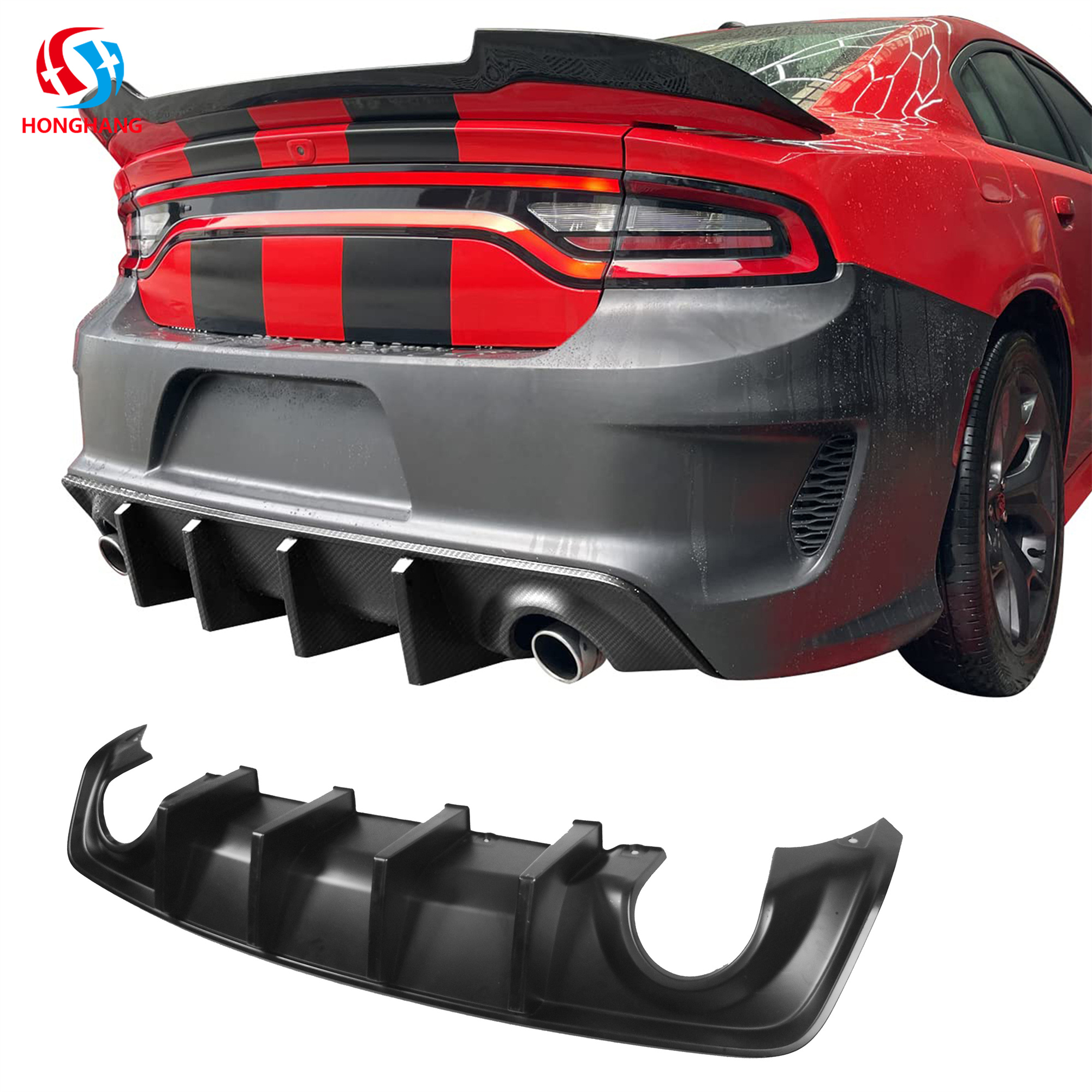
diffusers
mirror covers
grille trims
Manufacturers specializing in ABS injection molded auto parts can produce highly precise components with consistent quality. Many exterior modification parts are manufactured using ABS for durability and fitment accuracy. For example: https://honghangtech.com

Polypropylene is another widely used thermoplastic in the automotive industry. It is extremely lightweight and flexible, which makes it suitable for larger components such as bumper covers and fender liners.
Lightweight structure
Excellent chemical resistance
High flexibility
Good fatigue resistance
PP is commonly used for:
bumper covers
wheel arch liners
splash guards
underbody panels
Industry data from the Plastics Industry Association shows that thermoplastics such as ABS and PP now account for a significant portion of modern vehicle components.

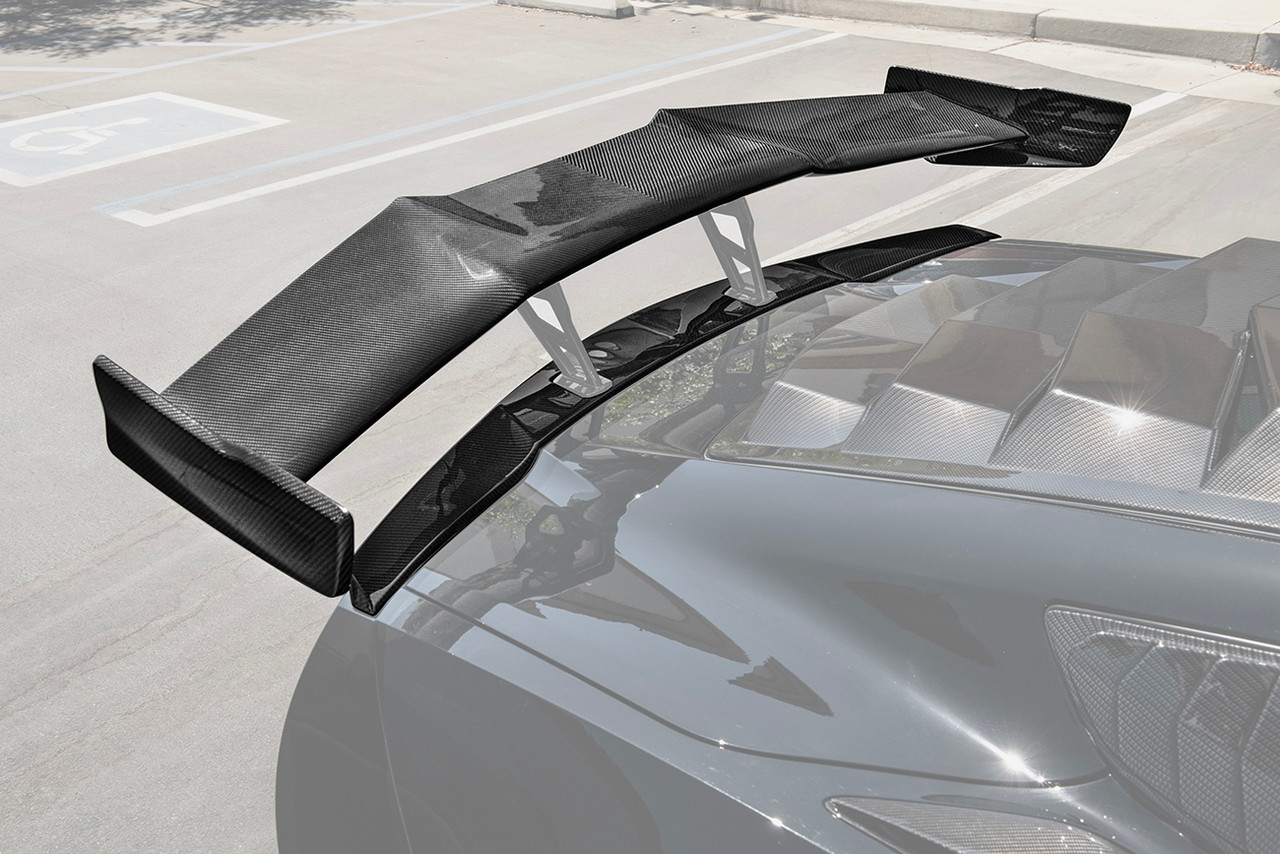
Carbon fiber is considered the premium material in the automotive performance industry. It is widely used in racing vehicles because of its extremely high strength-to-weight ratio.
Extremely lightweight
High stiffness
Premium appearance
Excellent heat resistance
Carbon fiber components are commonly used for:
performance spoilers
racing diffusers
hood panels
mirror caps
Very expensive manufacturing process
Complex production methods
Limited scalability for mass production
Fiberglass reinforced plastic was historically one of the most common materials used in custom body kits. It consists of glass fibers embedded in resin, creating a lightweight composite structure.
Low tooling cost
Easy to customize
Lightweight compared with metal
Brittle under impact
Prone to cracking
Requires manual finishing
Because of these limitations, many manufacturers today prefer ABS injection molded parts instead of fiberglass.
Polyurethane is known for its flexibility and impact absorption. This material can bend without cracking, which makes it suitable for certain exterior components such as bumpers. However, PU can degrade over time if exposed to extreme UV conditions.
| Material | Weight | Durability | Surface Quality | Cost | Typical Applications |
| ABS | Medium | High | Excellent | Low | Spoilers, lips |
| PP | Very light | Medium | Moderate | Low | Bumpers |
| Carbon Fiber | Very light | High | Premium | Very high | Racing parts |
| Fiberglass | Light | Low | Requires finishing | Low | Body kits |
| PU | Medium | Very high | Good | Medium | Flexible bumpers |
For most manufacturers and distributors, ABS and polypropylene remain the most practical materials for producing aftermarket exterior parts.
Plastic materials are significantly cheaper than metal or carbon fiber while still offering excellent durability.
Injection molding technology allows factories to produce thousands of identical parts with consistent quality.
Plastic materials enable complex aerodynamic designs such as:
splitters
diffusers
side skirts
canards
These shapes are difficult to achieve with traditional metal fabrication.
Explore more aftermarket car exterior parts: https://honghangtech.com
The automotive industry continues to develop new materials to improve vehicle performance and sustainability. According to the American Chemistry Council, advanced plastics and composite materials will play an increasingly important role in reducing vehicle weight and improving energy efficiency.
Emerging trends include:
recyclable thermoplastics
hybrid composite materials
lightweight engineering plastics
These innovations will continue shaping the future of automotive exterior parts manufacturing.
Choosing the right automotive exterior parts materials depends on durability, cost, and production scalability.
Among all available materials today:
ABS provides the best balance of durability and surface quality
PP offers lightweight flexibility for larger components
Carbon fiber delivers premium performance but at a much higher cost
For most manufacturers and distributors, ABS and polypropylene remain the dominant materials used in aftermarket automotive exterior parts.
ABS plastic is the most common material used for car spoilers because it offers excellent impact resistance, smooth finishing, and cost-effective production.
Polypropylene is lightweight and flexible, which allows bumpers to absorb impacts without cracking.
Carbon fiber is lighter and stronger but significantly more expensive. ABS offers a better balance between performance and cost for most aftermarket applications.


